
Article: Keeping Cigars Fresh Through a Canadian Winter

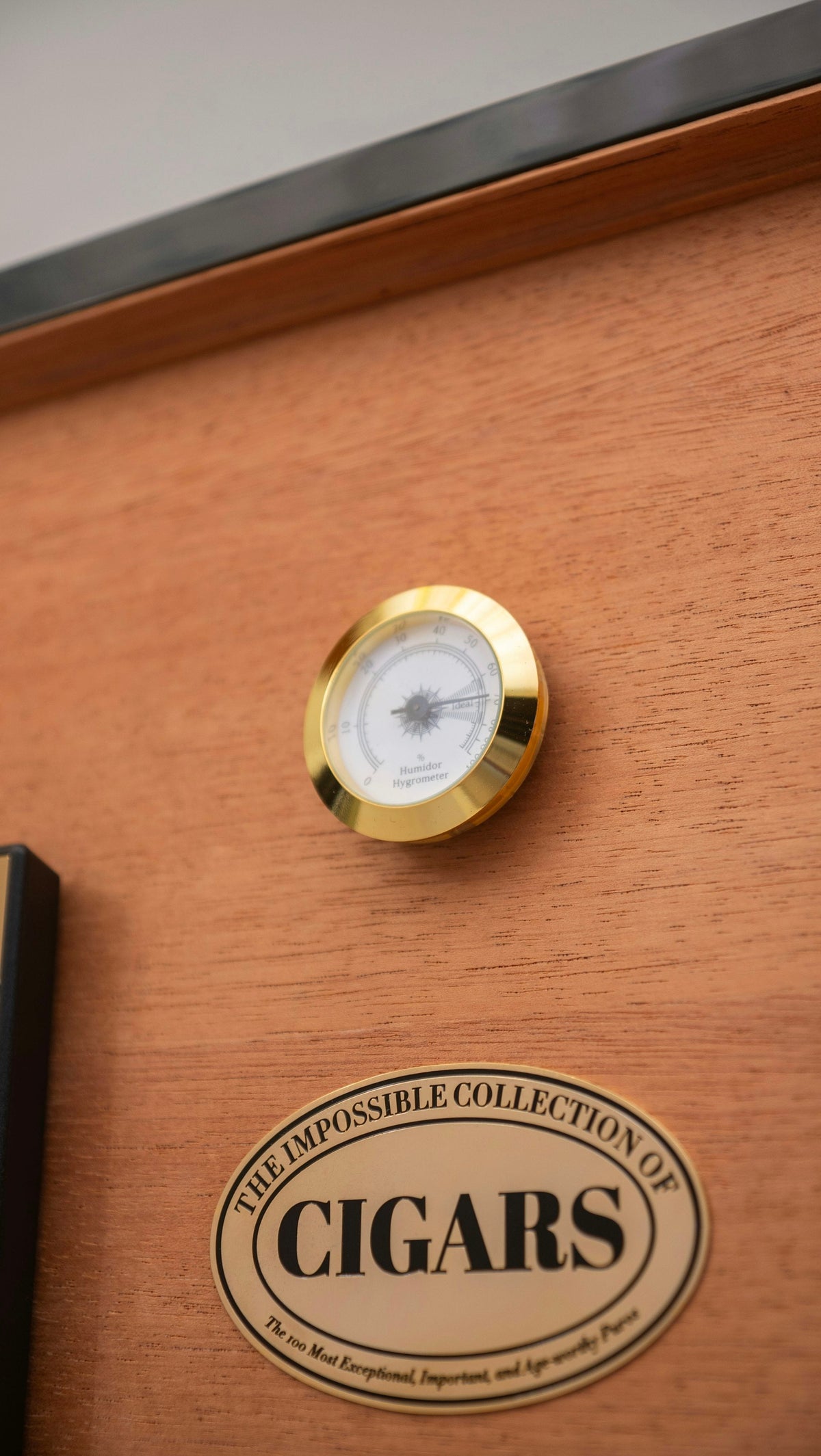
Keeping Cigars Fresh Through a Canadian Winter
Every winter, cigar smokers in Toronto notice the same thing: the humidor needs refilling more often, wrappers feel drier and cigars burn faster. Cold outdoor air holds very little moisture, and once it is heated indoors the relative humidity in a home can fall to 30% or lower. A humidor is not airtight, so it slowly loses moisture to the dry room around it. This guide from Cigar Studio explains how to keep your cigars in good condition until spring.
Warning signs your cigars are drying out
- Your hygrometer reads below 65% and keeps dropping between refills.
- Wrappers feel papery, crackle when gently pressed or start to split.
- Cigars burn hot, fast or unevenly, and taste harsh.
- The cedar inside the humidor feels dry to the touch.
Seven ways to protect your cigars this winter
1. Move the humidor away from heat
Keep the humidor away from heating vents, radiators, fireplaces and exterior walls or windows. A stable interior wall in a room that stays around 18–21°C is ideal.
2. Check the hygrometer every week
From November to March, check humidity weekly rather than monthly. Make sure your hygrometer is accurate; an inexpensive reading that is off by a few points can hide a problem.
3. Add humidification capacity
A humidifier sized for summer may not keep up in winter. Add an extra two-way pack such as Boveda Large (72%), add Cigar Oasis Humidification Beads, or move to an electronic unit such as the Oasis 50 or Oasis 250 for a large humidor.
4. Use distilled water or humidor solution
Refill only with distilled water or a solution such as Brigham Humidor Solution. Tap water leaves minerals that block humidifiers.
5. Check the seal
Dry winter air finds every gap. If the lid no longer settles slowly when closed, or the humidity drops within days of refilling, the seal may be worn. Consider an upgrade from our humidor collection.
6. Rehydrate dry cigars slowly
If cigars have dried out, do not move them straight into a very humid space; fast changes can crack wrappers. Bring them back gradually over one to two weeks, starting in a slightly lower-humidity space and moving them to your normal humidor once they feel supple again.
7. Protect cigars from the cold outside
Do not leave cigars in a car overnight in winter. Large temperature swings can crack wrappers. When you bring cigars home on a cold day, let the package warm to room temperature before opening it, then place them in the humidor. Use a sealed travel humidor when you carry cigars outdoors.
What humidity is right in winter?
The target does not change in winter: about 65–72% relative humidity at 18–21°C. What changes is how much work it takes to stay there. Many smokers find two-way 72% packs or an electronic humidifier the easiest way to hold steady through a Toronto winter.
Don't forget your lighter
Butane lighters lose pressure in the cold. Keep your torch in an inside pocket and warm it in your hand before lighting. Read more in our cigar lighter guide.
More storage reading
- Humidor buying guide: size, wood and setup
- The definitive guide to cigar humidification
- Boveda humidity control packs
- How long do cigars last in a humidor?
Need help? Visit us in Etobicoke
Bring your questions to Cigar Studio at 4 Willingdon Blvd. in Etobicoke, in Toronto's Kingsway neighbourhood. We are open Monday to Friday 10 AM–8 PM, Saturday 10 AM–6 PM and Sunday 11 AM–5 PM. Get directions or call (416) 237-9470.
Frequently asked questions
Why does my humidor lose humidity in winter?
Heated indoor air is very dry, often 30% relative humidity or lower, and a humidor slowly gives up moisture to the room around it.
What humidity should I keep my humidor at in winter?
The same as the rest of the year: about 65–72% relative humidity at 18–21°C.
Can dried-out cigars be saved?
Often, yes. Rehydrate them slowly over one to two weeks rather than moving them straight into high humidity.
How often should I refill my humidifier in winter?
Check weekly. Many humidors need refilling two to three times as often in winter as in summer.
Read more
Keeping Cigars Fresh Through a Canadian Winter
Winter heating makes Canadian homes very dry, and your humidor feels it first. Here is how to spot the warning signs and keep your cigars at the right humidity until spring.
Read more
Humidor Buying Guide: How to Choose the Right Size, Wood and Setup
A practical guide to choosing a cigar humidor: what size to buy, what to look for in construction, which humidification system to use and how to set it up the first time.
Read more
Cuban Cigars in Toronto: A Buyer's Guide
Everything you need to know before buying Cuban cigars in Toronto: legality in Canada, how to check authenticity, the brands and sizes to start with, and how to store them.
Read more
Cigar Lighter Guide: Torch, Soft Flame, Table Lighter or Matches?
Torch or soft flame? Single or quad jet? Here is how to choose a cigar lighter, how to light a cigar evenly and how to keep a butane lighter working in a Canadian winter.
Read more
Toronto Cigar Gift Guide 2026: Gift Ideas for Every Cigar Lover
Not sure what to buy the cigar lover on your list? Our Toronto shop team groups the best gifts by smoker type, from a first humidor to a classic Cuban.
Read more
5 Luxury Wedding Trends: Why a Mobile Cigar Lounge is a Must-Have
Modern luxury weddings have evolved far beyond standard ceremonial routines and generic banquet dinners. Today’s couples view their wedding day as an interactive journey and a curated experience de...
Read more
What Does a Cigar Sommelier Do at a Corporate Function?
In the modern business landscape, corporate events serve as the lifeblood of elite networking and high-value client relations. However, standard dinners or generic cocktail receptions are no longer...
Read more
Elle Blue: New Luxury Products for Cigar Lovers This New Year
As the New Year approaches, it’s time to celebrate refinement, innovation, and style in the world of cigars. The Elle Blue collection arrives as a symbol of sophistication—crafted for those who app...
Read more
Ashtrays and Elegance: Perfect Gifts for the Cigar Enthusiast
A true cigar experience is defined not just by the aroma or the draw—but by the atmosphere surrounding it. Every detail matters, from the lighter you use to where your ash falls. This holiday seaso...
Read more
Humidors for the Holidays: Keep Your Cigars Fresh in Style
A cigar is more than a moment of indulgence—it’s a symbol of taste, patience, and craftsmanship. To preserve that perfection, every aficionado needs one indispensable tool: a humidor. As the holida...
Read more
Cigar Cases for Christmas: Stylish Protection for Every Smoker
The festive season calls for sophistication, warmth, and refined taste—and what better way to celebrate than by protecting your cigars in style? A cigar isn’t just a luxury; it’s an experience wort...
Read more
What to Buy: The Best Cigars for Christmas and New Year 2026
The festive season is more than lights and laughter—it’s a moment for reflection, connection, and indulgence. And for many, nothing captures that spirit better than a fine cigar shared with friends...
Read more
The Top Accessories Every Cigar Lover Should Have This Holiday Season
The art of enjoying a fine cigar goes beyond simply lighting one. It’s about the ritual—the tools, the precision, and the atmosphere that elevate every smoke into an experience. As the holidays app...
Read more
Popular Cigar Brands Every Smoker Should Know
Discover the World of Popular Cigar Brands For cigar enthusiasts, finding the perfect smoke is a blend of tradition, craftsmanship, and personal taste. Whether you’re drawn to affordable everyday c...
Read more
Cuban Cigar Brands: The Icons of Fine Cigars
The Legacy of Cuban Cigar Brands When it comes to cigars, few names carry the same weight and prestige as Cuban cigar brands. Famed for their craftsmanship, heritage, and unparalleled flavor, these...
Read more
What Are Cigars Made Of? Tobacco Blends Explained
Understanding the Craft Behind Every Cigar Have you ever wondered what cigars are made of? Beyond their elegant appearance and aromatic smoke, cigars are the result of a complex and meticulous proc...
Read more
Best Cuban Cigar: Top Picks for Aficionados
Discover the Essence of the Best Cuban Cigars When it comes to luxury smoking, few experiences compare to enjoying the best Cuban cigar. Revered for their craftsmanship, complexity, and rich histor...
Read more
Elevate Your Event with Premium Cigars: Golf Clubs, Private Parties & More
Looking to add a touch of sophistication and excitement to your next special occasion? Whether you’re planning a golf tournament, a corporate event, or an intimate private gathering, premium cigars...
Read more
Labour Day Cigar Specials – Relax and Unwind This September 1st
Looking to savour the last long weekend of summer in style? This September 1st, Cigar Studio invites you to unwind and celebrate Labour Day with an exceptional selection of premium cigars. Whether ...
Read more
Cars, Coffee & Cigars: Join Us September 1st in Toronto for the Ultimate Street Festival
Ready to close out summer in style? Cigar Studio invites you to our exciting Cars, Coffee & Cigars Street Festival on September 1st in Toronto. Celebrate your passion for classic cars, indulge ...
Read more
Celebrate Canada Day with Premium Cigars – Long Weekend Specials
Looking for the perfect way to elevate your long weekend activities in Toronto? This Canada Day, make your celebrations even more memorable with exclusive cigar specials from Cigar Studio. Whether ...
Read more
My Father Cigars: New Honduras Factory, Cigar of the Year & Your Chance to Win a Nicaragua Trip
2025 is shaping up to be an exciting year for cigar lovers, especially fans of My Father Cigars. From the grand opening of their new Honduras factory to their recent accolade for the Cigar of the Y...
Read more
King of Clubs Mystery Cigar Pack – The Perfect Gift for Cigar Lovers
Are you searching for the best cigar gift ideas in Canada? Look no further. The King of Clubs Mystery Cigar Pack from Cigar Studio is the ultimate surprise for any cigar enthusiast. Whether you’re ...
Read more
Affordable Aromatic Pipe Tobacco and the Best Online Deals in Prince Edward Island
Pipe smoking offers a timeless, relaxing experience, and for smokers in Prince Edward Island (PEI), finding quality tobacco at great prices is key. Whether you’re new to aromatic blends or a long-t...
Read more
Beginner’s Guide to Buying Aromatic Pipe Tobacco Online in Newfoundland and Labrador
Getting started with pipe smoking is an enjoyable and rewarding experience, especially when you find the right aromatic blend to suit your taste. For new smokers in Newfoundland and Labrador, buyin...
Read more
Discovering the Top Backwoods Tobacco Varieties for Online Shopping in Newfoundland and Labrador
For cigar enthusiasts in Newfoundland and Labrador, Backwoods tobacco offers a rustic, flavorful smoking experience that’s hard to match. Known for their natural leaf wrappers and rich, aromatic bl...
Read more
Guide to Buying Online Port Backwoods Tobacco in Newfoundland
For cigar enthusiasts in Newfoundland, Port Backwoods tobacco offers a smooth, flavorful experience that pairs the rich essence of port wine with high-quality tobacco. Whether you’re a longtime fan...
Read more
How to Shop Online for Aromatic Pipe Tobacco in Humid Climates in New Brunswick
Living in a humid climate like New Brunswick can make pipe tobacco storage and freshness a challenge. Moisture in the air affects the taste, burn quality, and longevity of your favorite aromatic bl...
Read more
Top 5 Aromatic Pipe Tobacco Brands That Nova Scotians Love to Buy Online
For pipe smokers in Nova Scotia, aromatic pipe tobacco offers a rich, flavorful, and satisfying experience that enhances every smoke. Whether you’re new to the hobby or a seasoned aficionado, disco...
Read more
Top Online Shops Offering Backwoods Tobacco with Delivery to Atlantic Canada
For cigar enthusiasts in the Atlantic provinces, finding reliable Backwoods tobacco delivery in Atlantic Canada is key to enjoying your favorite cigars without hassle. Whether you're in New Brunswi...
Read more
Top Whiskey Backwoods Tobacco Brands in New Brunswick
Looking to elevate your cigar experience with rich, whiskey-flavored tobacco? Backwoods tobacco brands in New Brunswick are a favorite among cigar enthusiasts seeking bold flavors and a smooth, aro...
Read more
Where to Buy Pipe Tobacco Online in Prince Edward Island
Are you a pipe tobacco enthusiast living in Prince Edward Island (PEI) and searching for a reliable, high-quality source to buy your favorite blends online? Whether you’re a seasoned smoker or new ...
Read more
Valentine’s Day Gift Ideas - Perfect Pipe & Cigar Gifts for the Aficionado
Valentine’s Day is the perfect occasion to celebrate love and appreciation for those closest to us. If your significant other is a cigar or pipe enthusiast, finding the right gift can make this day...
Read more
Christmas Gift Ideas - Pipe and Cigar Gifts For Christmas
The holiday season is a time to celebrate with loved ones, exchange thoughtful gifts, and show appreciation for the special people in our lives. For many, choosing the perfect Christmas gift for t...
Read more
How to Remove Mold From Your Humidor: A Comprehensive Guide
Maintaining a humidor is essential for any cigar aficionado, as it ensures that your cigars are kept in optimal conditions. However, mold can become a persistent problem if humidity levels are not ...
Read more
Best Cigar Prices: Find Deals on Top Brands
Cigar enthusiasts know that enjoying premium cigars doesn't have to break the bank. This guide will help you navigate the world of cigar deals, from finding discount cigars online to comparing pric...
Read more
Visit Your Local Cigar Shop for Premium Cigars and Accessories
Exploring local cigar shops is an excellent way to discover premium cigars and accessories. This guide will delve into the benefits of buying cigars locally, highlight the advantages of visiting yo...
Read more
Discover the Best Cigar Humidors Box: Storage & Style Tips
Cigar enthusiasts know that proper storage is crucial to preserving the flavor and quality of their cigars. This guide will explore the best cigar humidors boxes, offering storage and style tips to...
Read more
Premium Small Cigars in Canada
Small cigars offer a quick yet satisfying smoking experience, making them a popular choice among cigar enthusiasts in Canada. These cigars provide the rich flavors and quality of larger cigars but ...
Read more
Premium Cigar Accessories Available in Canada
For cigar enthusiasts, having the right accessories is essential to enhancing the overall smoking experience. In Canada, a variety of premium cigar accessories are available to suit every need, fro...
Read more
Cuban cigars have long been celebrated for their exceptional quality and rich history. Known for their exquisite flavor profiles and meticulous craftsmanship, Cuban cigars are a favorite among afic...
Read more
How to Smoke a Cigar: Enjoying Your First Smoke
Smoking a cigar can be an enjoyable and relaxing experience, especially if you know the basics. Whether you're new to the world of cigars or looking to refine your technique, understanding how to s...
Read more
Cigar Anatomy - Understanding the Parts of a Cigar
For cigar enthusiasts, knowing the anatomy of a cigar is essential to fully appreciate the craftsmanship that goes into each smoke. The construction of a cigar involves several key components, each...
Read more
Partagas Cigars Rich Tradition of Cuban Cigars
Partagas cigars are a cornerstone of Cuban cigar heritage, known for their robust flavors and meticulous craftsmanship. Founded in 1845 by Don Jaime Partagas, this brand has maintained its reputati...
Read more
Craftsmanship in Every Perdomo Cigar Blend
Perdomo cigars are celebrated for their exceptional craftsmanship and rich flavors, earning a reputation among cigar aficionados worldwide. Founded by Nick Perdomo, the brand combines traditional c...
Read more
H Upmann Cigars Premium Cuban Heritage Cigars
H Upmann cigars stand as a testament to the rich heritage and superior craftsmanship of Cuban cigar making. Established in 1844, H Upmann has become synonymous with quality and tradition. Whether y...
Read more
Boveda Humidity Control Packs for Perfect Cigars
Maintaining the perfect humidity level is crucial for preserving the quality and flavor of your cigars. Boveda humidity control packs are designed to simplify this process, ensuring that your cigar...
Read more
Authentic Cohiba Cuban Cigars | Premium Range
Cohiba cigars are renowned worldwide for their superior quality and luxurious smoking experience. Originating from Cuba, these cigars have become a symbol of excellence and prestige. In this blog p...
Read more